
Colorado cost • Premium and available cash

Budget Colorado pet insurance and the care advance

A Colorado premium is only one budget line. Test the actual hospital deposit and the amount you may retain after a claim.

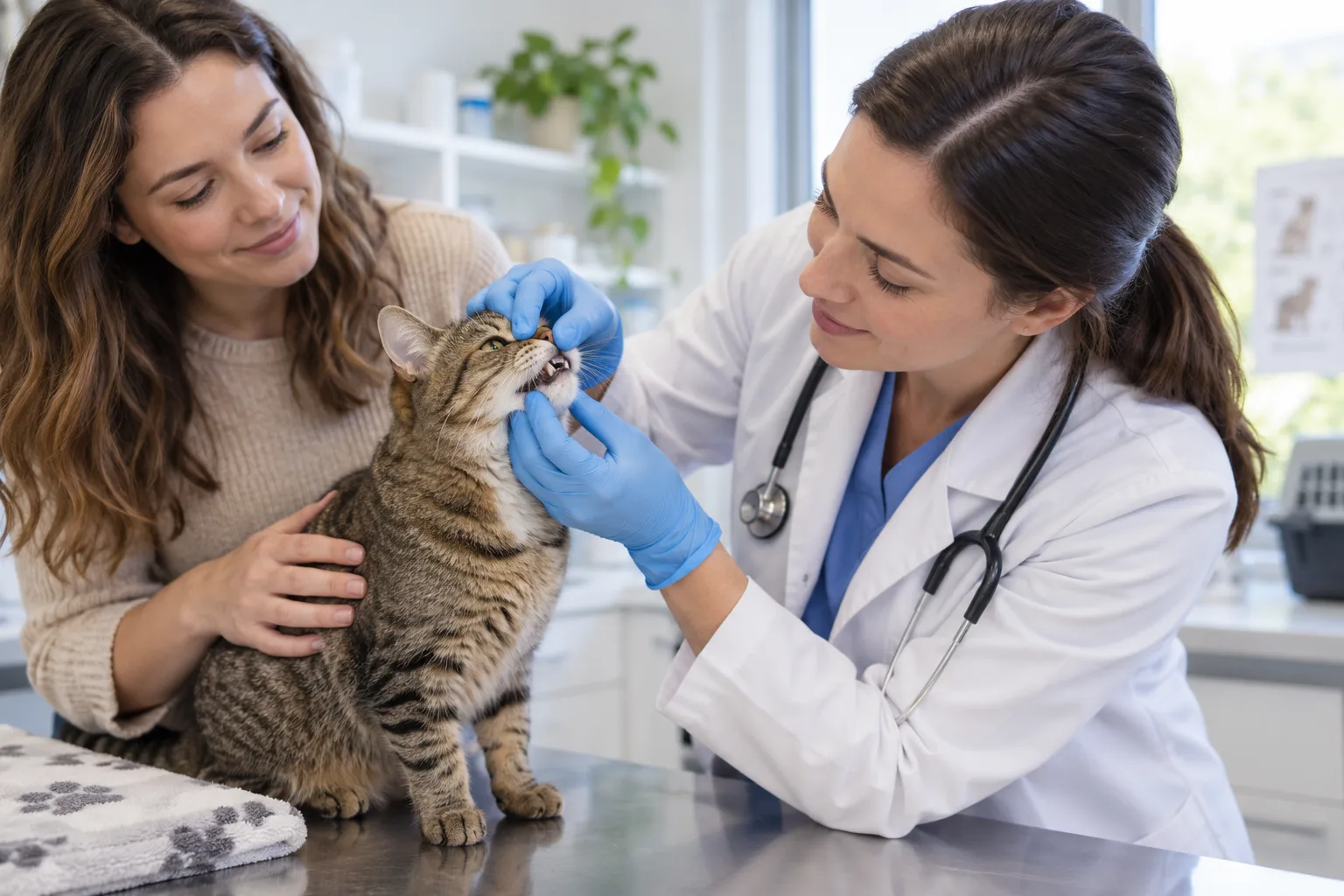
Veterinarian examining a tabby cat while its owner supports it
✓ Policy-first ✓ Independent ✓ Useful checks
Direct answer
Your Colorado pet-insurance cost comes from a current offer for the animal, residence and selected terms, not a universal statewide rate. Budget that premium separately from the cash a clinic may require and the veterinary expense you ultimately retain. CSU’s published hospital-payment rules provide a concrete Colorado test of why an affordable premium alone is not a complete care-funding plan.
Quotes

Keep three amounts separate

Amount What it represents Where to obtain it
Policy premium The recurring cost of maintaining the selected contract Completed Colorado quote and payment schedule
Care advance Cash needed before an insurer has decided a claim The treating hospital’s current estimate and payment terms
Final retained expense Bill amount left after the actual insurance payment Final invoice and claim decision

Do not add the care advance to the final retained expense as though they were unrelated costs. The advance is money paid toward the bill; some may later be offset by reimbursement. The premium remains a separate purchase cost.

This distinction matters when comparing offers. A lower premium may preserve monthly cash but leave a larger claim share. A stronger eventual payment may still arrive after the hospital needs a deposit. Test both affordability and timing.

What to know

A published Colorado hospital rule makes the gap visible

CSU Veterinary Health System says estimates above $250 require a deposit of 80% of the low-end estimate before services. Its payment page says the current balance is due at checkout and later adjustments can be applied after dismissal. Confirm the current instructions for the actual appointment and financial-consent form; these are hospital-specific terms, not rules for all Colorado veterinarians.

For an invented estimate of $3,000 to $5,000, that stated deposit basis would produce a $2,400 advance: 80% of the $3,000 low end. This is only an arithmetic illustration, not a price estimate for a procedure or a claim forecast. The upper estimate still matters to your planning even though it is not the deposit’s calculation base.

If the insurer has not paid yet, do not subtract an expected reimbursement from the cash you need for that advance. Ask the hospital about its actual payment arrangements before relying on an assumption.

Compare

Obtain the Colorado premium without weakening the comparison

Use the real home ZIP, pet age, species and breed details, then save the deductible, reimbursement choice, payout limit and selected options with the returned amount.

Ask what changing one chosen term does to the complete premium and the expense you would retain. If a proposed reduction removes illness coverage or a wanted benefit, identify that change before calling it a saving. Do not compare a fully selected offer with a bare starting price.

Check annual and installment payment schedules on the same basis. This guide has not collected a Colorado quote sample or established a current market average. It therefore does not rank cities or publish a statewide number as if it were a personal offer.

What to know

Test one bill without counting the same money twice

Write the actual estimate range, required advance and funds currently available. Then ask the insurer which services would be potentially eligible and what deductible or limit remains. Keep unresolved coverage questions visible instead of assuming a maximum payment.

When the final invoice arrives, replace the estimate with the actual charge. Record any deposit already paid and remaining balance. After the insurer decides the claim, subtract the actual reimbursement once to establish your final retained veterinary expense; add the premium separately if you are comparing total policy-period cost.

If the invoice changes later, preserve both versions and follow the insurer’s correction instructions. CSU’s published adjustment process is a reason to keep the account open for reconciliation, not permission to claim the same charge twice. The practice controls the invoice; the insurer controls its policy assessment.

Quotes

If the quoted or charged amount still does not reconcile

Ask the insurer for a written explanation of an unexplained premium or benefit difference. Keep the completed quote, issued schedule and payment record together so the question is specific. For the hospital side, seek clarification of the estimate, deposit credit or revised invoice from its billing team.

Colorado’s Division of Insurance offers consumer questions and complaint resources. Identify the issue as pet insurance and use the legal insurer name. Its help route does not establish a price for your pet or guarantee a particular claim outcome.

The practical result is two plans that agree: an insurance contract you can sustain and enough available money to access care under the practice’s actual terms. Revisit both when the policy renews or a new treatment estimate changes the funding need.

Evidence

Sources and policy context

These public references support the consumer or veterinary context. Named insurer details were checked in official product materials; the policy offered for your pet and state determines the actual terms.

Next step

Compare Current Pet Insurance Rates

Check current options for your pet and location, then compare the policy details, exclusions, costs, and eligibility before choosing.

Compare the policy before you choose Check the actual offer, exclusions and out-of-pocket terms.
See Rate Options